


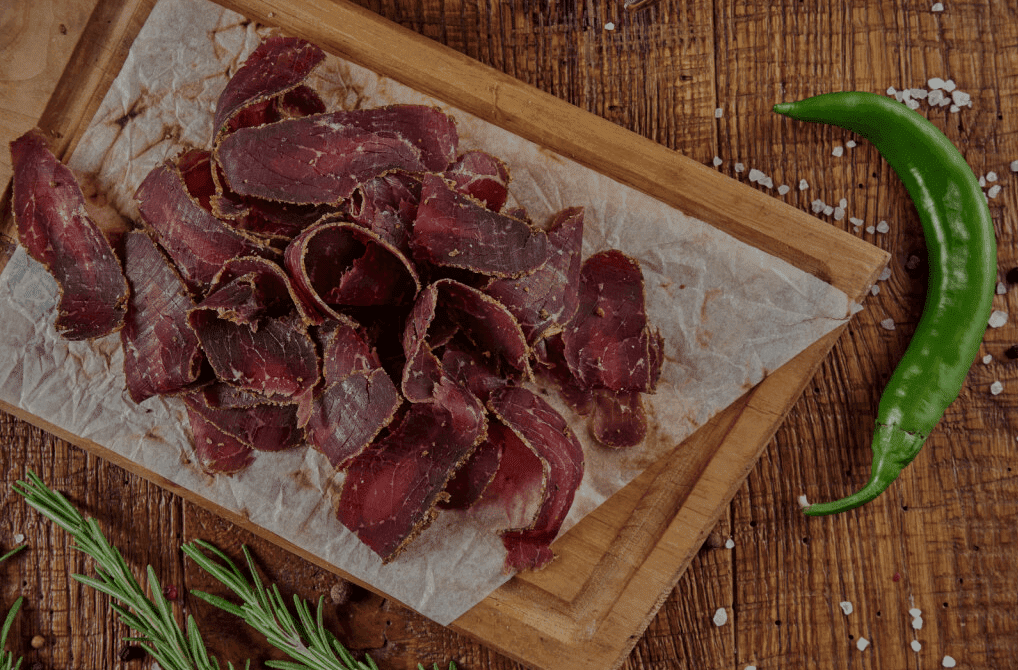
January 20, 2026 – In the Asian Pacific market, meat snacks are reflecting the evolving wellness and culinary expectations of the region. Consumers still value regional flavors and the familiar. However, multisensory experiences and novelty are more and more relevant. Sustainability and ethical concerns are also at the forefront of consumers’ minds, and as a result, paper-packaging materials and plant-based meat alternatives in Asia are on the rise. Innova’s “Overview in Meat Snacks in Asia Pacific” report examines these trends and more.
Meat Snack Trends in Asia Pacific 2026: Texture Meets Innovation
Meat snack trends in Asia Pacific, and diversified product bases are a key trend that brands are leveraging in their new product development. From red meat to seafood and plant-based alternatives, meat snacks are increasingly tailored to varied tastes. Moreover, diverse textures like crunchy, crispy, and chewy can be used to delight consumers and offer them multisensory experiences. Thus, snack time enjoyment is more memorable. Improved textures, such as a crispy exterior and tender interiors, also allow brands to stand out, and cross-category inspirations are another avenue driving new innovations.
Cooking techniques can also play an integral role in reshaping the meat snacking experience for consumers. For example, smoked, roasted, or grilled techniques offer consumers bold, charred flavors, yet frying methods deliver crispy textures. Processing techniques tied to regional traditions, such as pickled meats, can also appeal to local consumers.
Minimal Processing and the Rise of Clean-Label Meat Snacks
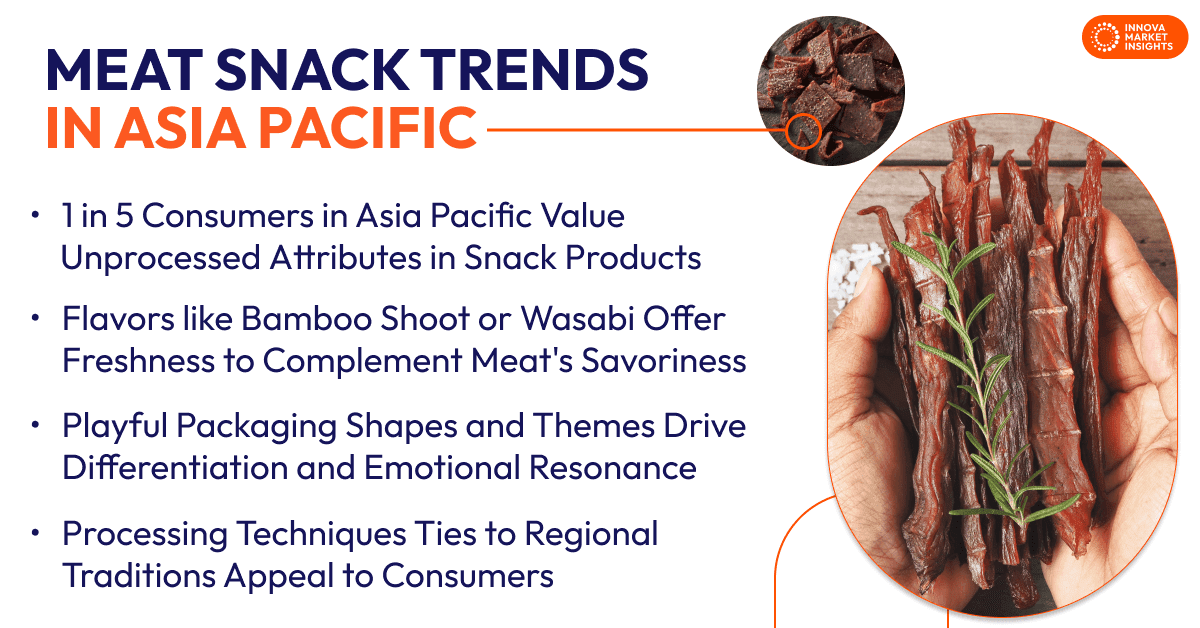
1 in 5 consumers in Asia Pacific value unprocessed attributes in snack products. Therefore, minimally processed, clean label meat snack methods are important considerations. Mild and controlled processing methods, such as slow cooking, low temperature aging, and gently grilled, help snacks retain their nutrients, freshness, and authentic flavor. Furthermore, the simple and traditional methods can also garner consumer trust by balancing indulgence with natural appeal for clean label meat snacks.
Animal welfare is also a crucial consideration, as cited by a quarter of Asian Pacific consumers. In fact, it will be a key differentiator in the meat snack market, as humane sourcing practices are increasingly prioritized. Range-free, grass-fed, cage-free, and pasture-fed are some key claims that signal ethical consideration and reassure conscious consumers.
The Power of Authentic Sourcing and Craftmanship
Authentic sourcing is another influential meat snack trend in Asia Pacific that will influence purchases, as region-specific meats and natural processing methods indicate premium quality to consumers. Additionally, quality cuts can also communicate indulgence, and traditional methods reflect a perception of heritage and expertise back to consumers. This can include unique local practices that speak to regional traditions or craft methods tied to specific cultures.
Plant-Based and Functional Benefits
More than lifestyle and ethical concerns, plant-based is a growing subcategory of meat snacks and is increasingly a source of important nutrients. Plant-based meat alternatives in Asia, formulated with legumes, pulses, and vegetables, offer consumers balanced nutrition options, while simultaneously catering to lifestyle and wellness driven needs. This broadens the appeal of plant-based offerings.
According to Innova’s research on meat snack trends in Asia Pacific, functional benefits are another avenue to elevate meat snacks to Asian Pacific consumers, as 75% associate light versions of products as healthier than the original. Reduced sodium formulations, for example, can help brands tailor to the health-conscious consumer. Those rich in added nutrients, such as omega-3 fatty acids also tap into the functional nutrition space.
Sustainability & Packaging: Beyond Plastic in APAC Markets
Meat snack packaging must balance convenience and freshness, while also elevating the consumer experience. Resealable and single-serve packs offer consumers portable and portion – controlled options for on-the-go moments. Assorted formats cater to flavor exploration and shareability.
Packaging also plays an important role in signaling premium cues to consumers. Brands can leverage elements like transparent windows to reinforce trust and boost perceptions of quality. Playful shapes and themes also help drive differentiation on the shelf and create emotional resonance. These designs not only grab consumers’ attention but also enhance gifting and sharing opportunities, as well as brand memorability among young consumers.
Sustainability packaging for meat snacks is another driver that is shaping consumers’ purchasing decisions in the Asia Pacific market. Manufacturers are moving to paper-based and recyclable packaging that minimizes plastic waste without compromising functionality. These include paper-based tubes and sealed pouches. In addition, the use of bio-inks on product packaging can also help facilitate biodegradability.
Heritage Flavors: From Sambal to Masala in Modern Snacking
As a region, Asia Pacific is known for its rich cultural and culinary heritage. Spicy flavors inspired by local spices, such as Indian masala or sambal chili, enable brands to offer flavorful yet familiar taste experiences. Layering these authentic heritage flavors can appeal to the adventurous consumer, and lesser-known or unique regional spices can also foster further exploration. Playing with flavor intensity can also capture consumer interest for those seeking novel or bold choices. This also extends to regional sauces and condiments that can add another dimension by adding depth, complexity, or umami. Familiar herbal flavors like bamboo shoot, seaweed, wasabi, or scallion can also add aromatic depth and freshness to complement authentic heritage flavors and the savory qualities of meat.
What’s Next for Meat Snacks in Asia Pacific?
Brands looking to succeed in the future meat snacks market in Asia Pacific have a few opportunities to differentiate themselves and address consumers’ evolving expectations. As sustainability is an important value to Asian consumers, mycoprotein bases can deliver consumers with the high protein snacks they seek. However, its production through a fungal fermentation process also positions it as a sustainable meat alternative, packed with essential amino acids. Probiotic fermentation is another meat snack trend in Asia Pacific that offers functionality to consumers in the form of gut health benefits.
This article is based on Innova’s Overview in Meat Snacks in Asia Pacific report. This report is available to purchase or with an Innova Reports subscription. Reach out to learn more.