


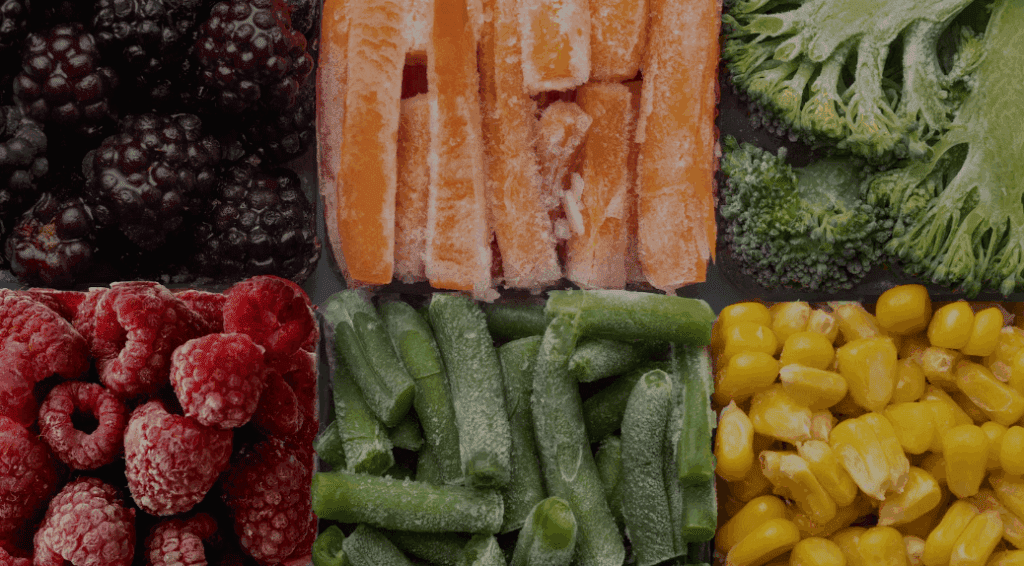
February 13, 2026 – Frozen food trends are increasingly intertwined with the evolution of consumers’ modern lifestyles. Convenience is still key, but other priorities like health and indulgence are inspiring new formulations. Consumers are more experimental and open to new cuisines, but value remains a core drive. Innova’s “Trending in Frozen F&B – Global” report explains the current state of the global frozen food market and how brands can innovate to meet consumer needs.
How is the Global Frozen Food Market Redefining Food and Beverage for Modern Lifestyles?
While frozen meals were once favored for convenience factors alone, they are now addressing a variety of consumer needs by providing fresh ingredients, chef-inspired meals, and budget conscious alternatives for consumers. The rising demand for healthy food options is also driving key frozen food trends such as low-sugar, low-carb, and high-protein options. The growth of urbanization and disposable incomes are also contributing to the adoption of products in this category. Although frozen food innovation has declined across most regions in the last five years, the category demonstrates growth potential across most regions. This can be achieved if brands can better engage with consumers and create opportunities for exploration in the frozen food market.
Which Flavors are Driving Consumer Interest?
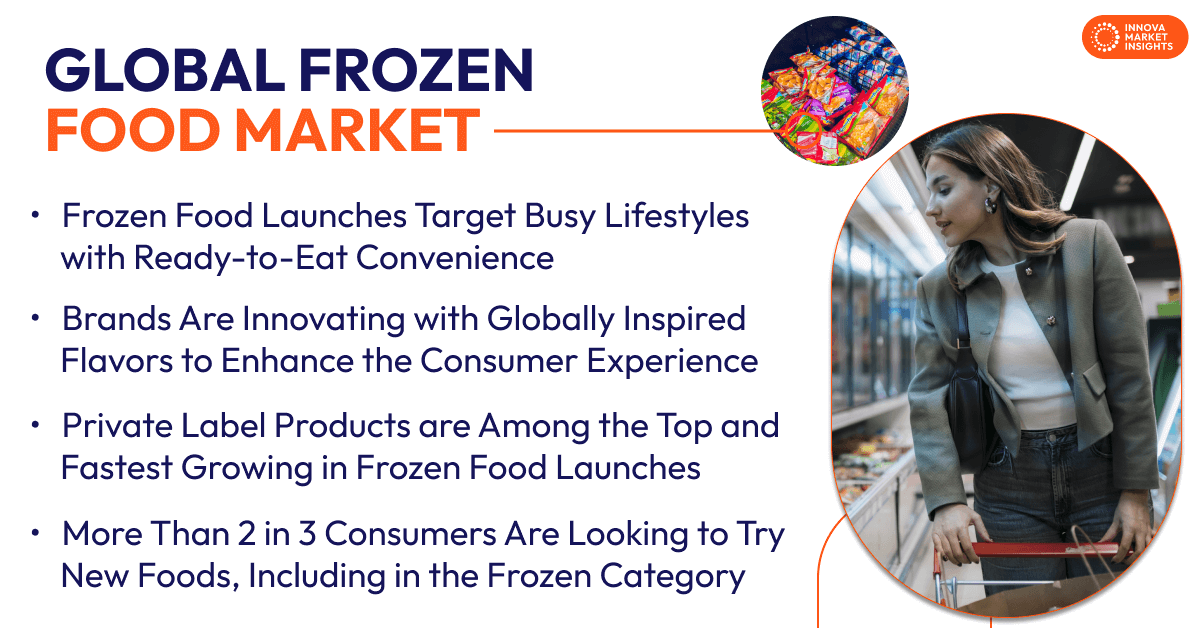
More than 2 in 3 consumers say they are open to trying new cuisines, with novel and global flavors driving frozen food trends. This opens the door for brands room to innovate in their flavor offerings that draw from multiple cultural traditions. According to Innova’s food trends research, ready meals and side dishes account for the largest percent of frozen food and beverage launches. Within these categories, Asian taste profiles are the top flavors that consumers gravitate towards. For example, Sainsbury’s offers a teriyaki chicken and jasmine rice frozen meal, reflecting a popular Japanese dish.
How are Frozen Food Brands Addressing Health Expectations?
Beyond global flavor inspirations, frozen meal brands can cater to the healthy indulgence trend, balancing consumer desire for both nutrition and satisfaction. Consumers are seeking options that provide nutritional value alongside flavor and convenience in the frozen food market. For example, single-serve meals can be redefined as vehicles for nutrition. KANZEN MEAL demonstrates this frozen food trend by utilizing food science, Japanese culinary techniques, and tools to create nutrient-dense offerings.
In general, frozen formats can also help brands support clean and health claims, as they preserve nutrients without the need for heavy processing or additives. This enables manufacturers to promote shorter and natural ingredient lists that meet consumer expectations. In fact, the crossover of these with traditional and indulgent claims can appeal to a wide range of consumers. Additionally, 24% of consumers also say added nutrients make indulgent food or drinks feel healthier, so protein-rich treats, such as ice cream, can cater to those looking for balance.
Why Does Value-Based Innovation Resonate with Consumers in the Frozen Food Market?
Almost half of consumers are concerned about the impact of climate change on the environment, and as a result consumers are looking for ways to make positive contributions through their food and beverage choices. This provides a clear opportunity for brands to prove they are leading in the frozen food market for quality and ethics. For example, Pitaya Foods has launched a new Swirl Smoothie Bowl line in the US. Beyond tropical flavors and nutritional benefits, the brand promotes organic and sustainable farming practices and environmental responsibilities that align with consumers’ concerns.
Affordability concerns are also influencing frozen food innovations. This can be seen by the fact that private label brands are among the fastest growing in frozen food launches. Aldi is leading these global launches, offering consumers premium products at a reasonable price point. Their fast product rotation and efficient supply chain also contribute to greater accessibility of frozen foods to consumers around the world.
What’s Next for Global Frozen Food and Beverage Trends?
Looking ahead, frozen food innovation will feature more and more health benefits. Probiotics, vitamins, and adaptogens are among the ingredients that can be expected. Brands are also investing in more sustainable formats, and when it comes to convenience, portion control and meal kits will also see growth, as they tailor to diverse household needs. Finally, affordability and premiumization will continue to drive the frozen food market, with brands positioning frozen as a “smart premium” option that delivers on nutrition, indulgence, and convenience without breaking the bank.
This article is based on Innova’s Trending in Frozen F&B- Global report. This report is available to purchase or with an Innova Reports subscription. Reach out to learn more.