


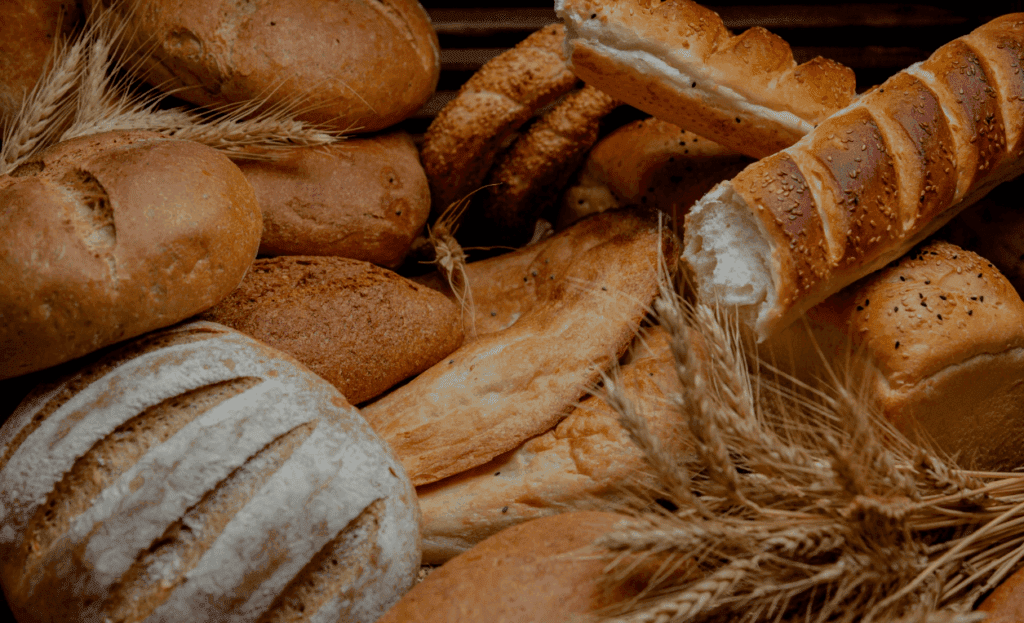
April 21, 2026 – Bread in the US is entering a transitional period in which it is no longer defined solely as a daily staple but as a product that consumers choose more deliberately. What was once a near-automatic purchase is now evaluated against freshness, relevance, and credibility. From plain loaves and value formats to artisan sourdoughs, global flatbreads, and indulgent sweet rolls, bread is being reshaped by cultural, generational, and lifestyle trends. Innova Market Insights looks at these bread trends in the American packaged bread and bread products market, and the opportunities brand have to grow in the fragmented market.
Bread Remains Mealtime-Reliant in a Snacking Culture
Bread in the US is still primarily associated with mealtimes. Bread consumption during snack times remains quite limited. This presents both a challenge and an opportunity for brands. Therefore, future growth may come from marketing bread as a portable, snackable, and versatile option for eating between meals. For example, the recent launch of Marketside Tandoori Style Garlic Naan Bites offers a cultural choice tailored to snack culture.
Packaged Bread Faces a Freshness Credibility Gap
US consumers choose packaged bread mainly based on practicality, prioritizing cost and freshness, then taste, convenience, shelf life, brand, and packaging. Brands can stand out by redefining freshness with packaging that signals quality, flavor-rich recipes, and functional benefits, making products more distinctive. For example, Zuckers Par Baked Everything Bagels offer bakery freshness easily. Combining reliability with premium and purpose cues lets packaged bread become a more intentional buy.
Generational Handoff is Reshaping the Category
Older consumers see bread as a given, but Millennials and Gen Z view it as intentional and lifestyle-driven. Brands must balance plain loaves for stability with crafted, credible formats that meet younger expectations of authenticity and relevance. Packaged bread in the US is no longer an automatic purchase; consumers now choose more deliberately, with US consumers also considering products like snacks, bowls, and ready meals.
The packaged bread market in the US is becoming more varied, from basic loaves to artisan, functional, and indulgent options, such as Pacha Organic’s bread infused with sweet indulgence. The key opportunity is to make bread more relevant through quality, versatility, portioning, claims, and flavor innovation. The category is split between dependable plain breads and distinctive flavored or functional options, making it harder to define a single identity. Growth is driven mainly by younger consumers, who see bread as versatile, artisanal, global, and compatible with balanced lifestyles, while older generations tend to stick to habits.
Category Leadership is Concentrated but Contested
US consumers mainly purchase packaged bread and bread products at supermarkets. Other outlets, like dollar stores, specialty shops, convenience stores, restaurants, farmers’ markets, and online platforms, have smaller shares.
Bimbo leads in size, but the competition from private labels, regional brands, and niche players shows a struggle for cultural relevance. Market leaders need to innovate to maintain their share. Meanwhile, challengers can succeed by focusing on unmet needs in health, indulgence, and cultural variety, reflecting current bread trends in the US.
Lifestyle Signals are Driving Growth
Bread trends show that most US consumers are maintaining their bread consumption habits instead of changing them. This stability shows resilience but also reveals a lack of growth. Bread brands in the US should see this stability as a foundation to build on rather than an endpoint. Innovation could come from improved functionality, craft elements, or innovations tied to specific occasions. Claims related to weight management, seasonal themes, ethics, and culture appeal to US bread consumers. Bread brands that incorporate lifestyle elements, such as being carb-conscious, culturally authentic, or values-driven, will transform bread from just a filler item to a product that expresses personal identity.
Product Launch Trends in Packaged Bread and Bread Products in the US
US packaged bread trends show a shift from basic staples to more differentiated, lifestyle-oriented products. Fast-growing categories include weight management, limited editions, seasonal, ethical, and halal options, driven by health, novelty, values, and culture. Brands in the US are innovating to make bread more purposeful and aligned with consumer expectations.
Recent launches like keto buns, egg wraps, and sprouted grain tortillas reflect demand for low-carb, protein-rich, health-focused alternatives. Ingredients like cocoa and confectionery reflect rising interest in bread for snacking and treats, blending staples with indulgence. Flavored breads such as chocolate brioche, chocolate sourdough, and double chocolate bagels aim for a premium, experiential feel, competing with pastries and snacks, while flavors like Hawaiian, Italian, jalapeño, pretzel, and pumpkin spice reveal a demand for versatile and occasion-specific breads.
What’s Next in Packaged Bread and Bread Products in the US?
The future of packaged bread in the US is evolving from a daily staple to a purpose- and value-driven choice, fueled by demand for innovation, relevance, and emotional connection. Bread trends in the US indicate that health and functionality will become increasingly important, emphasizing benefits like gut health and mood support. New formats such as bread chips and stuffed bites will create additional occasions for consumption, while cultural influences from global breads like naan and bolillos will expand as consumers seek variety and authenticity. Portion flexibility, including smaller sizes and thinner slices, will cater to small households, reduce waste, and align with modern lifestyles. Consumers seeking quality and freshness will be attracted to premium frozen breads, creating a higher-end market that emphasizes functional benefits, snack innovations, cultural diversity, portion control, and overall quality. Brands that develop meaningful, innovative products will lead the market. Brands that create unique and relevant products will be best positioned for future growth in the packaged bread and bread products market in the US.
This article is based on Innova’s Packaged Bread & Bread Products in the US report. This report is available to purchase or with an Innova Reports subscription. Reach out to find out more