


March 9, 2026 – Protein consumption continues to rise globally, fostering brand innovation and the development of new types of proteins aside from animal-derived and plant-based proteins. Although consumers of all ages are turning to protein as a functional ingredient, Gen Z consumers are particularly interested in protein in convenient formats to align with their lifestyle preferences. Consumers are also adopting a more positive approach to food, favoring products that enhance nutrition. Innova’s “Protein- Global” report examines the global food and beverage market through the lens of protein ingredients, covering opportunities, challenges, consumer insights, and new product development trends that are driving the market.
What are the Main Factors Influencing Protein Purchase Behavior?
In the global food and beverage market, price increases and budget constraints are influencing purchase behaviors. Although 2 in 5 global consumers say their financial situation is improving, finances remain a core driver of stress, and a majority of consumers are still cost-conscious. Price sensitivity is also growing, impacting global protein trends and the market for more expensive alternative proteins. Nevertheless, protein’s role in modern diets continues to grow, with over half of global consumers actively increasing how much they consume. The number of categories offering high protein is also expanding in conjunction with consumer sentiment.
How Can Brands Innovate in Snacks to Address Gen Z and Millennial Protein Trends?
As consumers of all ages are looking to increase their protein intake, Gen Z and Millennial protein trends highlight that high protein snacks are becoming increasingly popular among younger consumers, especially Gen Z. Nearly 3 in 5 Gen Z consumers who look for high protein snacks skip a meal and have snacks at least once a day. As a result, global protein trends indicate that brands have the opportunity to innovate with new formats that enable consumers to attain their protein consumption goals and meet their essential dietary needs. On-the-go snacking formats like protein bars, smoothies, shakes, and fortified drinks are an opportunity to balance lifestyle needs of these generations and their nutritional goals. Millennials are the most aware of the benefits of specific nutrients, with protein at the top of their list.
How are Consumers Shifting Their Dietary Approaches to Food?
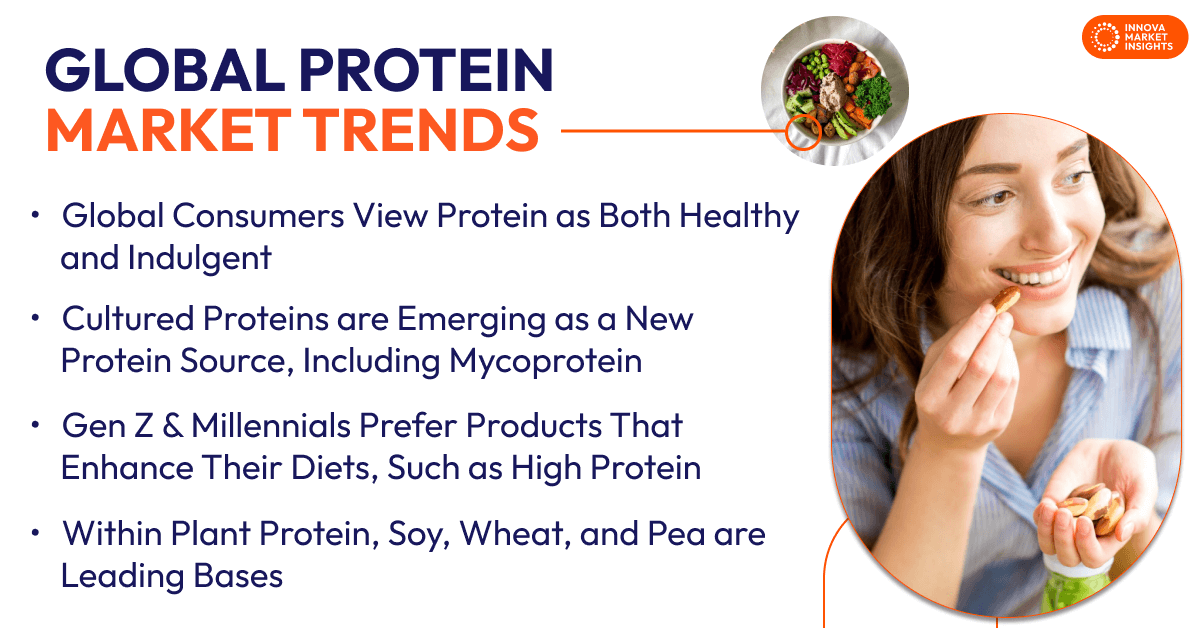
Consumers are adopting a more positive approach to food, focusing on nutritional value and actively seeking out products and ingredients that will enhance nutrition. Functional claims are becoming more important, as they are strong indicators that a product is not only healthy but also brings nutritional or wellness value. While older generations continue to look for ingredients to exclude, Gen Z and Millennial food trends indicate that younger consumers prefer products that enhance their diets, such as high protein.
What is the Relationship Between Protein and Indulgence?
When purchasing indulgent snacks, protein is the most important claim for many consumers. It is also the second most important claim for healthy snacks. Global consumers also believe that indulging is good for you when protein is included in products, highlighting the importance of featuring protein content both in their products and clearly on-pack.
Global protein trends demonstrate that consumers who prefer high protein snacks consider fruit and dried fruit as the best choice. However, cookies, biscuits, and other baked goods remain in the top three categories for high-protein consumers. This suggests that new products containing natural ingredients with added protein sources could be a relevant strategy and useful for brands to appeal to consumers. As protein carries weight with consumers, meat snacks bridge the gap between indulgent and healthy offerings, by limiting demonized ingredients and increasing natural ingredient content. However, to address global protein trends moving forward, it will be important for brands to distinguish which consumers consider protein as a healthy ingredient, which consider it a signal of indulgence, and who want to increase protein intake but are neutral about its healthiness.
What are Some Avenues for Innovation and New Product Development that Brands Can Leverage to Address Protein Trends?
Poultry and dairy proteins are experiencing growth in the market, and new protein forms are gaining traction within animal-based proteins. Innova’s research on global protein trends shows that over the past five years, plant-based launches have been more prevalent than those with dairy-based protein ingredients. In fact, 55% of consumers think plant-based foods should exist in their own category, rather than acting as stand-ins. Soy, wheat, and peas are dominant plant protein bases. However, a majority also believe that plant-based proteins should involve less processing.
65% of consumers are open to trying new foods they’ve never had before, highlighting how the market is primed for innovation in emerging cultured proteins. Microbes are shaping the next generation of protein, from mycoprotein to yeast protein. The former, derived from fungal mycelium and grown in bioreactors, also has a short production time and small environmental impact that could enhance its appeal to conscious consumers.
What’s Next for Global Protein Trends?
Brands can expect new innovation technologies like precision fermentation will drive the next round of novel proteins in the market. Protein labeling will also shift to the front of labels, and “protein plus” will be a global protein trend that will influence new approaches for brands. This entails more stacked functional claims, blended protein, and additional protein content. In addition, innovations in plant-based proteins will be another major opportunity for brands to elevate them, so they are comparable to animal-based protein options. It will also be important to keep Gen Z and Millennial protein trends in mind, tailoring new product development to match format, convenience, and nutritional expectations.
This article is based on Innova’s Protein – Global report. This report is available to purchase or with an Innova Reports subscription. Reach out to find out more.