


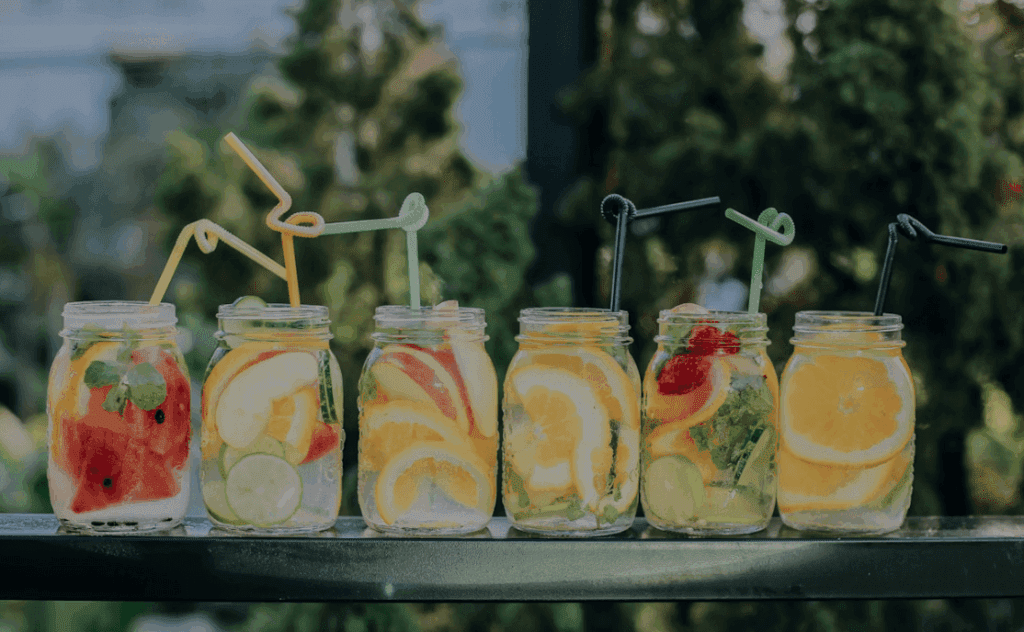
February 23, 2026 – In 2026, the global beverage market is expected to undergo a transformation, driven by consumer demand for beverages that go beyond simple taste experiences. Situated within Innova’s Top Ten Trends for 2026, traditional flavors, functional ingredients, and unique sensory experiences are fueling new innovations in the beverage market. The “Top Global Trends 2026 in Beverages” report examines these beverage trends, their drivers, and their implications on new product development and brand strategy for companies moving forward in the year ahead.
How is Gut Health Driving Innovation in The Beverage Market?
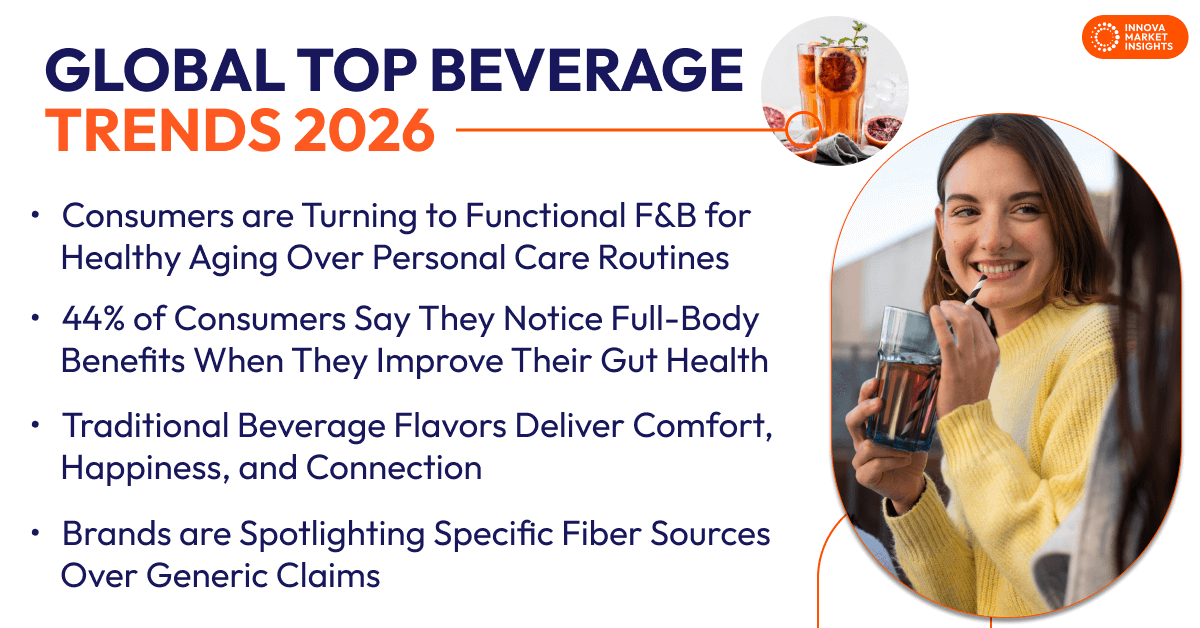
In the global market, gut health in beverages is evolving into a platform for innovation, with digestive claims expanding into other arenas like energy, mood support, and immunity. 44% of consumers say they notice full-body benefits when they improve their gut health, and as a result, highlighting multiple benefits will be important moving forward. For example, brands can emphasize benefits that span across physical and mental outcomes, such as weight management or stress relief, that are also intertwined with gut health. Thus, gut health is shifting to a multi-claim platform for beverages.
Fiber is also significant, with brands progressing past generic fiber claims to spotlighting specific sources in functional beverages. Cassava, soluble corn, and inulin agave are the fastest growing sources in launches with a digestive or gut health claim. Prebiotics and probiotics are also driving innovation in carbonates, as there has been sharp growth in prebiotic and probiotic sodas in the global beverage market.
What is The ‘Layers of Delight’ Trend in Global Beverages?
According to Innova’s beverage trends research, the Layers of Delight trend is a leading movement in the global beverage market, as indulgent claims are rising. The definition of indulgence is also shifting to emphasize textures, sensory cues, and well-being, beyond flavor alone. Nonetheless, when it comes to multisensory experiences, consumers are also split between seeking comfort in familiarity versus exploration. For those looking for novelty, inclusions like boba are adding interesting texture combinations, especially for fruit-flavored drinks.
To many consumers, healthier enjoyment is also a central part of indulgence in beverage trends, and low sugar and natural ingredients resonate with consumers the most. Emphasizing these elements, alongside naturalness, will elevate beverages to consumers and align with their growing health-conscious preferences.
Why Should Brands Focus on Mental and Emotional Benefits?
Consumers are turning to beverages for emotional support, especially as mental well-being is a rising priority for Gen Z and Millennial consumers. Stress and energy levels are the top areas consumers want to improve, but currently, energy and focus are the leading areas addressed by food and beverage, underscoring a gap in the market for brands to take advantage of.
When it comes to mental well-being and sleep benefits, botanicals remain familiar ingredients that consumers turn to in the global beverage market. 76% of consumers think natural ingredients can help multiple aspects of their health simultaneously, and popular botanicals include green tea, chamomile, and ashwagandha. Although botanical ingredients continue to resonate, adaptogen drinks highlight an opportunity for functional beverage innovation as a new route for stress relief and support for mental focus. The Mind Balance trend also touches on the relationship between beverage types and emotions. For instance, global consumers link warm beverages with comfort and calmness.
What Role Does Tradition Play in Consumer Beverage Choices?
Tradition remains a defining element of beverage trends, as familiar and traditional flavors deliver happiness, comfort, and a sense of connection. That being said, consumers define “traditional beverages” differently across the globe, which is an important consideration for brands. In North America, traditional food and drink is associated with childhood favorites and nostalgia, while in Asia, it is defined by traditional ingredients, methods, and techniques. 61% of consumers are also open to trying traditional food with a modern twist, though flavor and taste are the key aspects to preserve.
Local ingredients are also shaping innovation in the global beverage market, with regional superfoods playing an important role in shaping better-for-you beverage trends and building credibility. For example, in Latin America, Andean powdered superfood blends can offer consumers a familiar yet nutrient-dense boost.
How are ‘Beauty-From-Within’ Benefits Reshaping Functionality?
In addition to gut health in beverages, Innova’s research demonstrates that beauty is another platform for functional beverage innovation, as consumers are increasingly concerned about their skin health and overall appearance. Hair support, skin anti-aging are the top growing beauty claims in beverages, and ingredients like collagen, vitamins, and antioxidants are driving this trend. Collagen-led launches in particular are accelerating, and 19% of consumers are prioritizing functional beverages over personal care routines to achieve healthy aging benefits.
From a category perspective, bottled waters, juices, and smoothies are beverages consumers turn to the most when they want to improve their skin health. Therefore, brands can leverage these categories in new product launches to link beauty-from-within benefits and formats that consumers favor.
This article is based on Innova’s Top Global Trends 2026 in Beverages report. This report is available to purchase or with an Innova Reports subscription. Reach out to learn more.