


June 11, 2026 – In the Asia Pacific, climate change and geopolitical tensions are creating uncertainty for consumers of all ages. Concerns around finances, work, or school are also key sources of stress. Meanwhile, technology is having a transformational effect, and consumers continue to be more proactive about their health and more conscious and controlled in their shopping habits and behavior, driven by the cost of living and enabled by technology. Demographic shifts, such as aging populations and an increase in solo living, are also starting to have a more notable impact on trends. Innova Market Insights identifies key consumer food trends in the Asia Pacific for food and beverage based on shifts in lifestyles, attitudes and behaviors, and highlights marketing and innovation opportunities for companies and brands.
The Economy In The Asia Pacific Is Looking Uncertain And Volatile
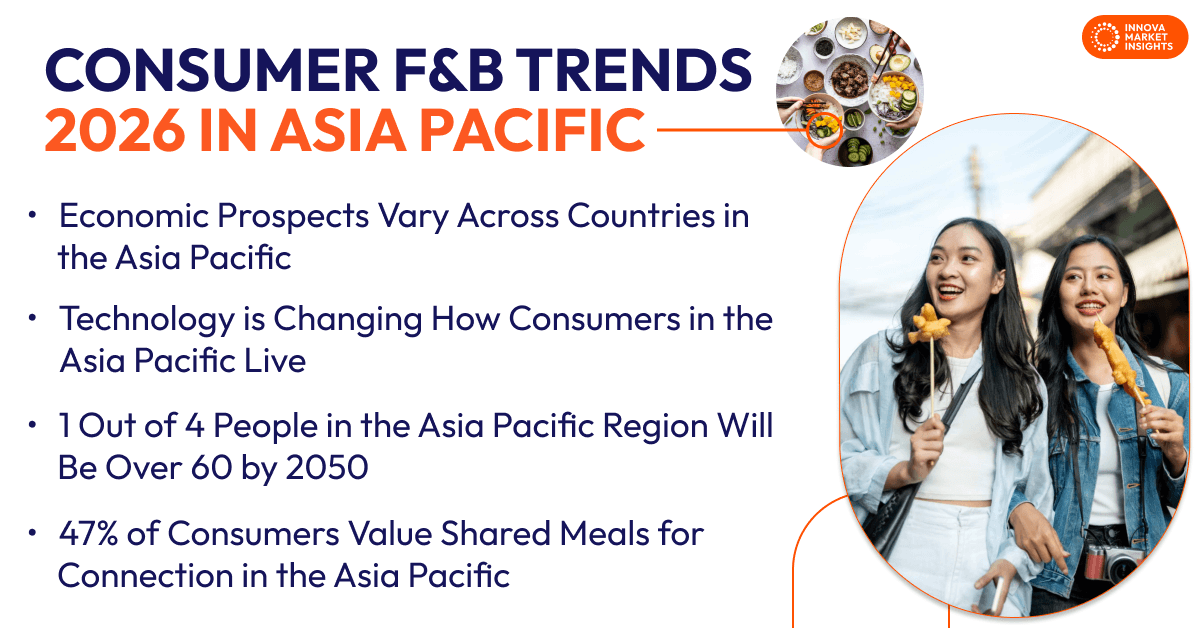
Geopolitical uncertainty and social unrest are harming the economy in the Asia Pacific. Volatile trading conditions from tariffs, conflicts within and outside the region, and youth protests against corruption and inequality are causing disruption. In addition, consumers in the Asia Pacific also face the effects of climate change. Half of Asia Pacific consumers are very or extremely aware of climate change’s impact. Asia is warming almost twice as fast as the global average, and this is leading to extreme weather. With these concerns in mind, it’s understandable that many consumers in the region are experiencing anxiety. However, economic outlooks vary across countries in the Asia Pacific, and some consumers maintain a more positive perspective.
How Are Lifestyles Evolving In The Asia Pacific?
Technology is changing how consumers in the Asia Pacific live. Flexible work has become more common. 24% of consumers say that flexible working has helped them feel more in control. Technology also makes consumers feel more empowered. It allows them to find and compare information easily and shop for what they need. AI is particularly beneficial for consumers in this region. From meal planning and fitness advice to personalized shopping, AI is improving many areas of their lives. Consumers in the Asia Pacific are also taking a more active approach to health. Exercise is important, with 50% stating they work out to stay healthy. When it comes to shopping habits, food trends show that 56% say they buy only what they need, and 1 in 3 is looking for better value and affordability.
How Are Demographics Evolving In The Asia Pacific?
Consumer food trends predict that by 2050, 1 out of 4 people in the Asia Pacific region will be over 60. Countries, like China and Japan, are seeing rapid population aging, while others, such as India, still have large populations of young people. By 2050, the urban population in Asia is expected to grow by 50%, which means an additional 1.2 billion people. Tokyo, Delhi, Shanghai, Dhaka, Beijing, Mumbai, and Osaka all rank among the top 10 most populous cities in the world. Although fertility rates vary across the Asia Pacific, many countries are experiencing a long-term decline. Women are having fewer children on average and are choosing to have them later in life as economic opportunities for women improve and views on marriage shift.
How Are Socializing Trends Influencing F&B In The Asia Pacific?
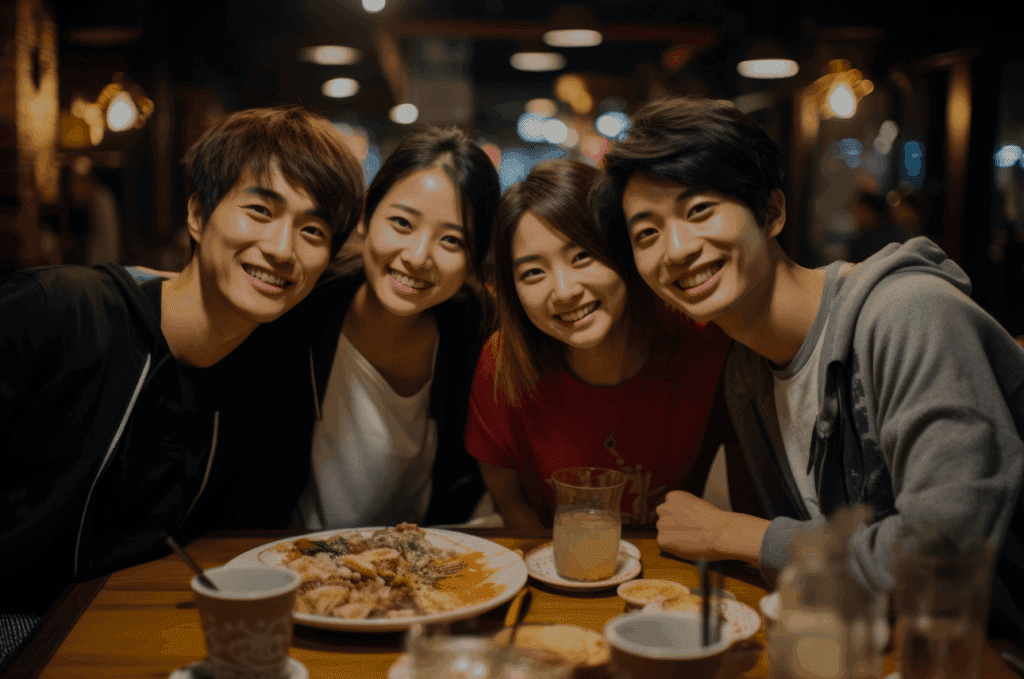
More flexible, healthier lifestyles are moving social activities to lighter, casual settings. In the Asia Pacific region, consumers prefer gathering in small groups and casual activities like walking or having coffee. Bars and clubs are less popular, while coffee shops and parks are becoming more important. Offline activities such as arts and crafts, reading, and writing are making a comeback. Food remains a central element of socialization trends, with 47% of people valuing shared meals for connection. This is boosting the role of restaurants. F&B trends show that socializing includes coffee raves, which are affordable and popular among younger groups, and an increase in sober parties among Gen Z.
How Are Asia Pacific Consumers Taking Time For Themselves?
Consumers in the Asia Pacific are increasingly choosing alone time for self-care, driven primarily by stress. Living alone is common, with over a third of households in Japan and South Korea being single households. Solo dining experiences, like Japan’s Yakiniku Like, which offers individual grills and quick service, cater to this trend. In addition, food brands, such as Galaxy in India, are also catering to the solo food trend by marketing their products for self-care and personal rituals, particularly for stress relief. 1 in 3 Millennials treat themselves to food and drinks, with salty snacks being popular during TV watching, highlighted by Squid Jjamppong Seasoned Chips, recently launched in South Korea, which is a crossover launch with the popular Korean TV show Squid Games.
What Actions Are Consumers Taking For Vitality & Longevity In the Asia Pacific?
Consumers in the Asia Pacific are increasingly focusing on health for longevity. More than half are very concerned about their mental and physical health. They monitor their wellbeing through weight, exercise, health check-ups, blood tests, and blood pressure. 39% use technology for health monitoring, and 32% for fitness. Sleep and weight have a big impact on long-term health. Gen Z and Millennials are more concerned about these issues than Boomers. Brands are catering to food and beverage trends in 2026 with products aimed at improving sleep. For example, Asahi’s Style Balance 0% contains GABA to help with sleep. Other aids like melatonin sprays, herbal teas, and magnesium chocolates are also popular. When it comes to weight loss, there’s a focus on protein products such as powders and bars.
How Are Consumers In the Asia Pacific Dealing With Stress?
Faced with stress and complexity, consumers want simpler lives and a healthier balance. In Asia Pacific, consumer food trends reveal that 39% have tried to manage stress for their mental health. They point to financial pressures, heavy workloads, digital lives, and lack of sleep as primary issues. To cope with these stressors, consumers are looking to simplify their lives, improve their work-life balance, reduce screen time, and spend more time in nature. Food and drink help them disconnect, with 34% using F&B to relieve stress.
What’s Next In Consumer Food & Beverage Trends In Asia Pacific?
Brands will succeed in the Asia Pacific food and beverage market by responding to consumers’ demand for balance in daily life. Food and beverage trends in 2026 in the Asia Pacific region reflect uncertainty, financial strain, and changing lifestyle priorities. However, consumers are still open to positive change, better routines, and more meaningful experiences. Consumers in the Asia Pacific will look for relaxed and flexible social occasions, simpler and more trustworthy solutions, and technology that truly adds value. They are also looking for health options focused on long-term well-being and products that provide comfort. For brands, this means that innovation should address functional needs while fitting naturally into how consumers want to live.
This article is based on Innova’s Consumer Trends 2026 for Food & Beverage: Asia Pacific Edition report. This report is available to purchase or with an Innova Reports subscription. Reach out to learn more.