


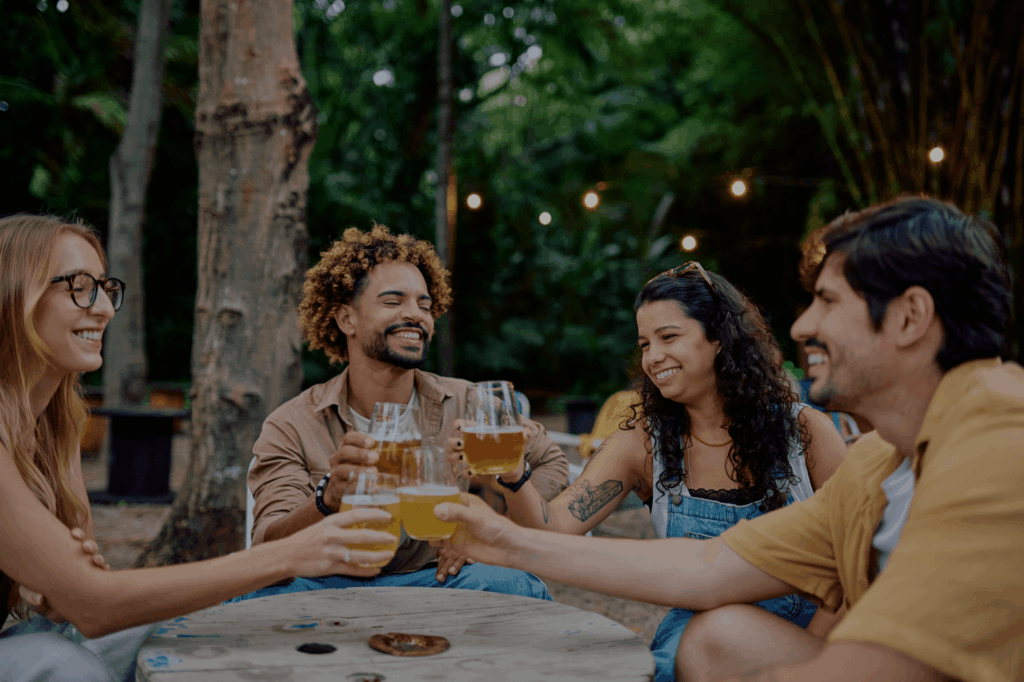
May 27, 2026 – Economic pressures, changing lifestyles, and consumer priorities are putting the alcoholic beverage market on the defensive. Beer continues to lead the market as a top category. However, the rise of Gen Z consumers, the first generation to come of age during the sober-curious movement, has presented a unique challenge to the market, due to their decreased alcohol consumption and the demand for alcohol alternatives. Beer consumption occasions are also in the need of a refresh, and other trends like gut health and relaxed social occasions are driving innovation in the category. Innova’s “Beer-Global” report delves into these major drivers of the beer market and opportunities that brands can explore to maintain relevance.
Where Does Beer Currently Stand in the Global Alcoholic Beverages Market?
Beer continues to reign as the “everyman” beverage, rooted in a history of being less expensive to produce and purchase compared to other alcoholic beverages. Its lower alcohol content also makes it easier to drink, since consumers can enjoy several with limited impairment. Staying focused on these core benefits will continue to promote beer’s relevance, especially in uncertain economic times. However, brewers must also look beyond these basics to fuel growth.
How Are Generational Preferences for Alcohol vs Sobriety Shaping the Global Beer Market?
The beer market is facing a crossroads, as generational preferences for sobriety are challenging its future. Gen Z represents the lowest share of consumers who drink beer, with only 16% buying beer with alcohol and 11% purchasing non-alcoholic options. In addition, the adoption of lower-alcohol options like RTDs and non-alcoholic RTDs is higher among Gen Z beer drinkers than in other generations. Wine and spirits remain a drink of choice for half or more of Gen Z consumers, but it is clear that this generation prefers a broader set of beverage choices to align with various lifestyle approaches. Brewers need to boost their non-alcoholic beer choices more effectively to capture Gen Z attention.
For those that do choose to drink alcoholic beverages, beer is becoming a less frequent habit with each generation after Gen X. The emergence of hard seltzers and RTDs plays a significant role in this. Younger consumers tend to opt for RTD, both alcoholic and non-alcoholic, and cider more than older beer drinkers.

Are Beer Occasions in Need of a Refresh?
Due to beer’s accessibility and its association with casual socializing, brands have the opportunity to further align beer with relaxed occasions. 57% of beer consumers drink the beverage weekly, but there is still room for growth. Although flavor has been a successful motivator and differentiator, brands can continue to offer a fresh take. New experiences provide more exciting or engaging beer consumption moments for consumers, and beer innovators should focus more on experimentation than comfort, as 60% of global consumers are interested in trying something new. New beer launches with indulgent claims are also growing.
Modernizing formats with low and no alcohol options, giving hops a smoother taste, or reshaping the lifestyle role of beer by linking it to sociability, stress relief, and moderation are other approaches brands can take. An overall focus on mood improvement and special occasions could be another way to engage with consumers to position beer as ideal for a diverse set of moments.
How Can Brewers Bring More Consumers into the Fold of Beer Consumption?
A clear opportunity for brands moving forward will be to bring the preferences of women into the fold and bridge the gender gap in beer purchases. This is crucial, as women are less likely to drink beer and are decreasing their consumption, except for a small percentage within Gen Z. They are also more drawn to other categories, as a general note, making it even more important for brands to consider innovation that keep other categories like wine and RTDs in mind. Young women are more committed to cutting back on alcohol than their male counterparts, so appealing to women with low and no alcohol beers is a method to help meet reduction goals and garner general attention. 38% of women are also more likely to prefer mild or light-flavored beers, indicating another innovation opportunity.
Why are Gen Z and Millennials Pivotal to Growth?
Gen Z and Millennials are the key drivers of growth in beer consumption, due to their difference in approach to the category. In general, only half as many Gen Z consumers are drinking beer compared to other generations, despite beer’s affordability and casualness that align with Gen Z’s preferences. Flavor will be a key driver to combat this, especially with younger consumers choosing the fruitier, lighter RTD drinks that signal a shift in taste preferences of these generations. Additionally, brands will need to position beer as the go-to choice for young men. Marketing and social media can help grow their connection to beer by appealing to social preferences
Gen Z is also turning to beer as emotional support, with reliance on promotions as motivation. Budgets and affordability are key stressors, so brands should bear in mind how messaging can blend emotional support at an affordable price for younger consumers. Their lifestyle differences are another important element to consider, as Gen Z pushes the boundaries of traditional occasions in many categories, from snacking to beer.
How is the Gut Health Trend Intersecting with the Global Beer Market?
Globally, consumers are increasingly linking the gut to holistic health outcomes from energy, weight, immunity, and stress. This is driving beverage innovation beyond digestion to multi-benefit platforms. As a result, functional beers are becoming more prevalent, though notably easier to achieve in non-alcoholic beers. Launches remain limited, currently offering a key opportunity for new product development to experiment with functionality. In fact, Gen Z in Latin America are more likely than any other generation and region to select products with functional benefits.
What’s Next for Global Beer Market Trends?
Brands can anticipate that when it comes to future innovation, mixing and matching beer with moderation and alcohol alternatives will be vital. This enables consumers to seamlessly switch between options when socializing. The line between bars, pubs, and restaurants will continue to blur, and brands can expect that this will continue in search of more experiential experiences to attract Gen Z. This will also encompass packaging and visuals.
This article is based on Innova’s Beer- Global report. This report is available to purchase or with an Innova Reports subscription. Reach out to learn more.