


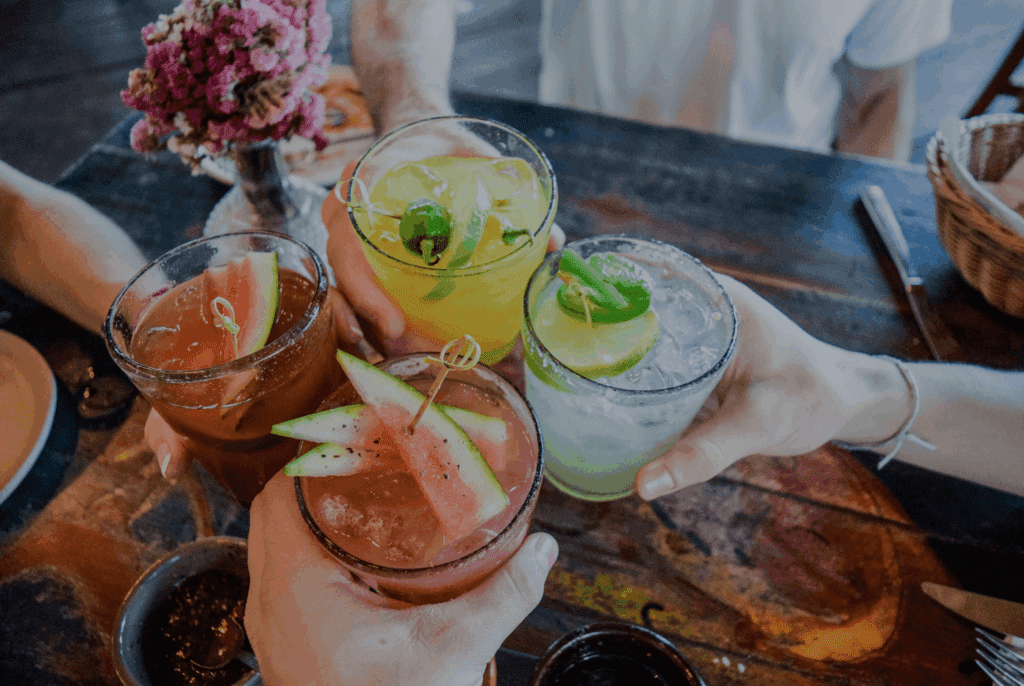
May 15, 2026 – The global market for low and non-alcoholic beverages is undergoing a shift, moving beyond a means for moderation to encompass a wider range of consumer needs and desires. This change is driven by the growing integration of these beverages into occasions and moments where relaxation, taste, and shared experiences are at the forefront. Innova’s “Innovation in Low Alcohol & Non-Alcoholic Beverages- Global” report details the future direction of these trends and where the opportunities lie for brands.
Low Alcohol and Non-Alcoholic Drinks Satisfy the Senses
Low alcohol and non-alcoholic drinks can be a sensory enhancement to various social moments and occasions. They are a growing part of celebrations and events that provide a combination of delicious taste, relaxation support, and experiences shared with others. In fact, non-alcoholic beverage brands can modify their products to fit specific social settings. Flavor is a key driver of purchases, but flavor needs to be elevated to the level of conventional cocktails, and alcohol-free needs to be adequately sophisticated to encourage and support shared experiences. At the same time, consumers accept food technologies that support sensory features like complexity and aroma. These can include technologies to remove alcohol while retaining sensory features. Preservation of flavor is a must in the non-alcoholic beverage market, so technologies like low-temperature systems and precision removal of alcohol can retain flavor, sensory depth, and complex structures.
How Should Brands Elevate Drink Offerings in the Low and Non-Alcoholic Beverage Market?
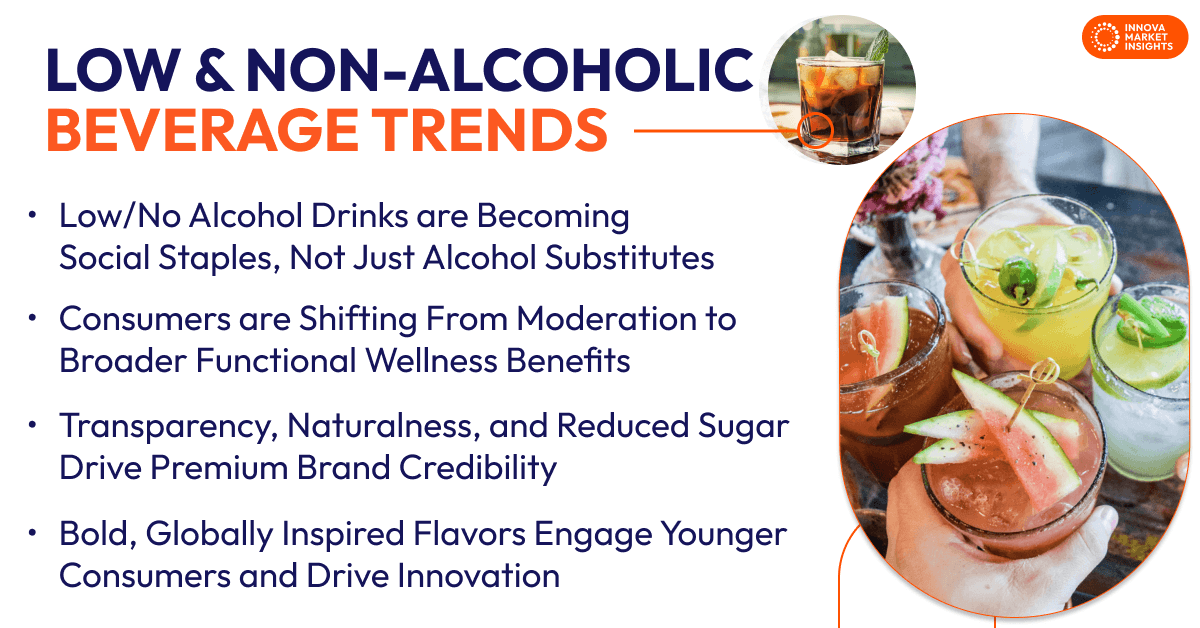
Low alcohol and non-alcoholic drinks can be elevated through familiarity and function. Making traditional formats more modern enables them to be familiar and contemporary and also poised for functionality. Consumer expectations of drinks are shifting from abstinence to drinks that support wellness and functionality. Mental health positioning, including relief of stress and mental focus, are growing opportunities in the no-to-low alcohol beverages market. Another area of opportunity is the fusion of traditional, heritage foods with new formats and contemporary flavors. One approach is to use traditional brewing techniques with modern adaptations so that consumers don’t have to compromise, and they can enjoy novelty and nostalgia. A growing trend in low alcohol and non-alcoholic drinks is a tight alignment with health and purpose. Therefore, these beverages are not just for exercising moderation in social situations, but they also are for wellness, health functionality, naturalness, and enjoyment. The opportunity for brands is to turn low/no alcohol drinks into a targeted choice for taste, social occasions, and healthy living. Especially among the younger generations, primarily Gen Z and Millennials, drinking behaviors are changing, and this will affect the long-term trajectory for alcoholic drinks. Low and no alcohol drinks are for more than moderation; they also support emotional health. Attractive features to consider in the low and non-alcoholic drinks market are naturalness, ingredients that support mood, positioning for relaxation, and overall mental wellness as part of social occasions.
How Does Wellness in Low and Non-Alcohol drinks Enhance Appeal?
Brands in the global low and non-alcoholic beverage market can seek opportunities by expanding into wellness. Beauty-from-the-inside and fortification for skin health represent ingestible wellness and lifestyle support. Offering sustained and balanced energy supports both mental energy and physical recovery. Low alcohol and non-alcoholic drinks have become more than just a substitute for alcohol. They incorporate scientifically validated active compounds that allow drinks to differentiate based on benefits. Other low and non-alcoholic beverage trends include added vitamins, electrolytes, isotonic solutions, and adaptogenic ingredients for energy, hydration, recovery, and cognitive functioning in products that also do not have alcohol. This transitions low/no alcohol drinks into functional beverages rather than just substitutes for alcohol.
Why is Transparency Essential in Low and Non-Alcohol Ingredients?
Transparency and functional ingredients can boost the strength of low and no alcohol drinks. Innova’s global consumer trends show that consumers want transparent sourcing and products with less sugar, and this is shaping the low and non-alcoholic drinks market. Brands can boost their credibility with active ingredients for gut health, sweetening systems with clean sweeteners, and regional botanicals. They do not need to compromise on taste or positioning as premium products. For botanicals, transparent sourcing and stories about origin, traditional use, and proven functionality are essential for authenticity and cultural relevance. Another area of opportunity is probiotics, prebiotics, organic gut health ingredients, and natural gut health ingredients in low alcohol and no alcohol beverages. This makes low alcohol and non-alcoholic drinks more than just beverages without alcohol. Another area of opportunity in non-alcoholic beverage trends is clean sweetness, because consumer trends show that consumers want less sugar, and they don’t want artificial sweeteners. Advances in sweet proteins, natural sweeteners like stevia, and rare sugars retain taste while lowering sugar and calories. These sweeteners help make low alcohol and no alcohol drinks both better for you and indulgent.
How Can Brands Use Flavor to Inspire Low and Non-Alcoholic Drink Innovation?
Generation Z consumers in particular love flavors like sweet-hot, and this helps elevate flavor in low alcohol and no alcohol beverages. Combining cultural flavors creates a fusion of global inspiration and local familiarity. Indulgence is about more than richness; it appeals to the senses with layered flavors, textured flavors, and caters to the senses. Gen Z consumers love flavor mashups, including in low alcohol and no alcohol beverages. Sweetness plus heat offers flavor contrast, excites the senses, and encourages sharing on social media. Consumers of low alcohol and non-alcoholic drinks want both global flavor exploration and local cultural familiarity, so drink brands can invite exploration with global flavors. Non-alcoholic drink trends show that global consumers also are seeking indulgent experiences in no alcohol and low alcohol drinks, and this does not necessarily equate to sweetness. Drink brands are therefore incorporating botanicals, bitterness, fruit flavors, and texture to deepen the sensory experience. Alternatives to alcoholic drinks can be indulgent, sophisticated, complex, and sensory.
What’s Next for Non-Alcoholic Drinks?
Watch for global consumer trends toward low alcohol and non-alcoholic drinks for everyday enjoyment for taste, celebration, and relaxation. Alcohol-free beer, cocktails, and wines combine familiarity with sophistication. Technology allows brands to support premium positioning through flavor, aroma, and sensory features. A focus on hydration, cognitive function, and muscle recovery repositions non-alcoholic drinks as essential for managing energy. The combination of physical benefits, mental benefits, and beauty positions low alcohol and non-alcohol drinks for functional wellness. Clean and natural sweetness systems will help further reduce sugar and calories. Cross-cultural influences will attract consumers seeking exploration. Unexpected flavor combinations bring surprise and joy, especially to younger consumers in the low and non-alcoholic beverage market.
This article is based on Innova’s Innovation in Low Alcohol & Non-Alcoholic Beverages – Global report. This report is available to purchase or with an Innova Reports subscription. Reach out to learn more.