


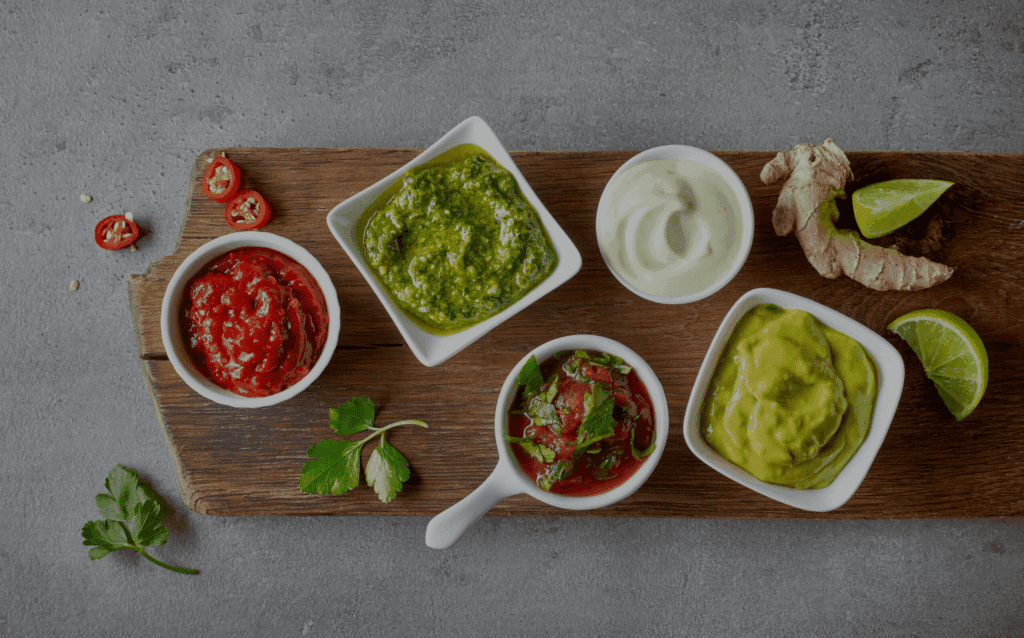
May 19, 2026 – The European table sauces and dressings market continues to evolve in alignment with consumer preferences and ongoing trends. Versatility and convenience are central, while flavor and plant-forward appeal are driving new profiles. The rise of health-consciousness is also mirrored in the table sauce and dressings category, with naturalness and transparency-based formulations at the forefront. Innova’s “Overview in Table Sauces & Dressings in Europe” report zooms in on the major trends set to shape the category and explores where the opportunity really lies for brands.
What Do European Consumers Care About Most When It Comes To Table Sauces And Dressings?
The blend of convenience and flavor is central to European consumers. When asked why they purchase convenience-focused products, the top response is because these products taste good. This reasoning extends to table sauces and dressings, creating opportunities for brands to combine convenient formats with distinctive or gourmet flavors and rich textures to elevate the everyday meal. The ability to turn everyday meals into special experiences is another element of this trend. Whether it’s for customizing dishes or upgrading store-bought options, sauces and dressings can serve as flavor enhancers to create more exciting dishes with minimal effort.
Why Is Precision Processing A Growing Trend?
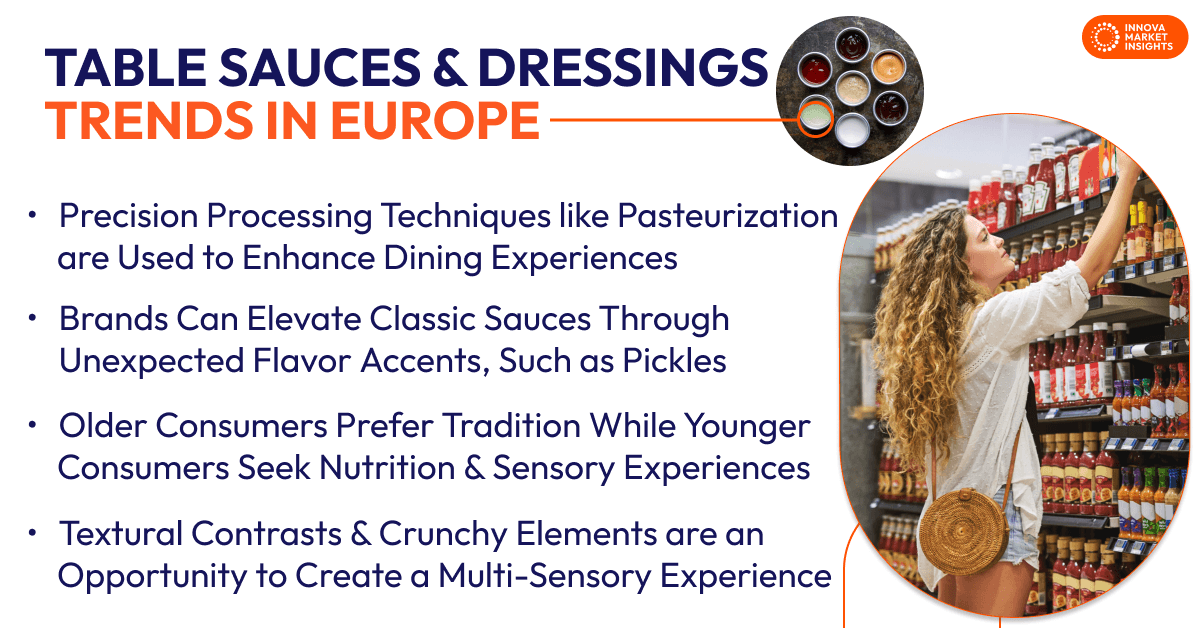
Processing techniques are increasingly being used by brands to project preservation, quality, and flavor enhancement to European consumers. This can be achieved in a few ways. Pasteurization, cold emulsification, roasting, or candying are a few examples of techniques that brands in the sauces market are using to enhance the dining experience. They deliver richer taste, longer shelf life, and even a premium culinary appeal that can resonate with consumer preferences.
How Can Brands Create Positive Brand Perception Through Ingredients?
European consumers seek naturalness and quality from ingredients, and brands can look to clearer ingredient lists as a means to boost brand perception. 35% of consumers in the European sauces market say that brand transparency is very important to them. As they continue to scrutinize product labels more closely, brands are reformulating to deliver clean label products, functional ingredient transparency, and minimalism that drives purchases.
What Is The Role Of Plant-Based In the European Dressings And Sauce Market?
Health-consciousness and fresher appeal are other arenas that brands can leverage to capture consumer interest. For instance, the growing curiosity around plant-based eating is encouraging brands to feature vegetables, fruits, legumes, and botanical ingredients as their own sauce profiles. Using naturally flavorful ingredients like beetroot can help brands deliver cleaner labels, plant-driven satisfaction, and a more adventurous approach to taste that can entice consumers. 23% of European consumers say that over-processing is the main barrier to buying more plant-based products. Therefore, natural oils, minimal processing, and free-from claims reinforce authenticity to balance the functionality and taste consumers expect. Healthiness is also a core driver, with European consumers looking for ways to reduce their sugar and salt intake. Thus, reformulating with these healthier nutritional profiles in mind, as well as maintaining flavor, enables sauces and dressings to better fit into the modern diet.
How Much Do European Consumers Care About Sustainability?
1 in 3 European consumers say that sustainability is a major point for them when considering food and beverages to buy, and as a result, brands in the sauces market should aim for sustainable sourcing of key ingredients. This is especially relevant, as the table sauces and dressings category relies on agricultural ingredients that are sourced on a global scale, which are impacted by climate change. Clear and responsibly ingredient sourcing through regenerative practices is one way to build trust with consumers. Sustainable certifications is another.
How Can Brands Best Leverage Packaging For Sauces And Dressings?
Packaging plays an increasingly important role in the European table sauces and dressings market as it can not only improve the consumption and storage experience but also serve as a core differentiator for brands to stand out. Convenience-led features like flexible pouches, squeezable tubes, and drizzle bottles, for example, facilitate hygienic and easy-to-use formats that support the user experience without compromising enjoyment. Recloseable jars and top-down bottles also help to anchor the cooking experience in practical alternatives, that make meal preparation more efficient.
As sustainability is also integrated into the packaging conversation, recycled content and renewable materials can also attract the eco-conscious consumer. Beyond just using these materials, brands in the sauces market who can articulate supply chain efficiencies into tangible benefits like a lower carbon footprint will also be able to strengthen their credibility and appeal in comparison with competitors.
Where Does Global Flavor Stand In The European Table Sauces And Dressings Category?
Despite other elements like sustainability, packaging, ingredients, and processing driving table sauce and dressing trends, global flavors remain crucial. Although European consumers remain interested in global cuisines, brands can move beyond this positioning to incorporate subtle cultural twists through regional ingredients and flavor cues that add depth and nuance to new product development. Brands in the European sauces market can also elevate classic sauces through unexpected flavor accents, such as pickles or fermentation-led profiles, to deliver complexity to consumers that is still rooted in familiarity. That being said, heat-driven flavors are also driving innovation, by adding vibrancy and intensity to consumption moments. Textural contrasts and crunchy elements are another opportunity to create a multi-sensory experience for consumer enjoyment.
What’s Next For Table Sauces And Dressings In Europe?
In the European table sauce and dressings market, there are numerous opportunities on the horizon for brands to take advantage of. Hemp-derived ingredients can add a sense of novelty to spicy sauce innovation, merging functional plant-based ingredients with heat for the bold consumer. Fruit and vinegar pairings are another avenue brands can explore to add layered flavor complexity to new product development. Hybrid condiment solutions, like a ketchup and mayonnaise mix, will also elevate appeal and versatility.
This article is based on Innova’s Overview in Table Sauces & Dressings in Europe report. This report is available to purchase or with an Innova Reports subscription. Reach out to find out more