


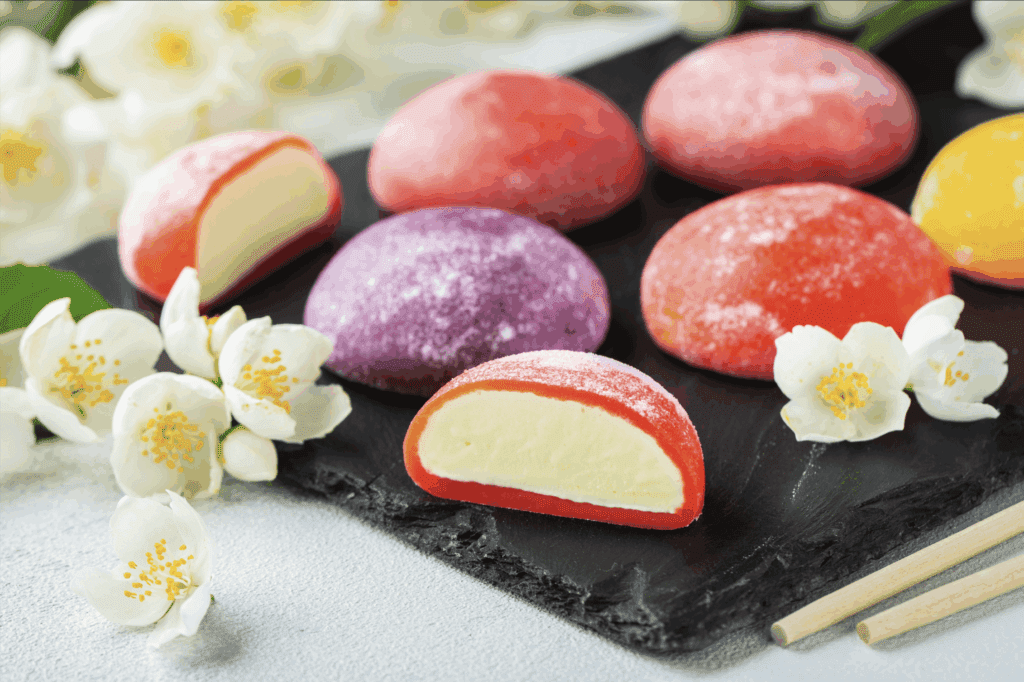
June 2, 2026 – Across the Asia Pacific region, sweet consumption is deeply rooted in cultural traditions. Many countries have long-established sweet treats and beverage rituals, often centered around tea or coffee moments. Traditional products such as mooncakes and bean-based pastries in China, mithai like laddoos and barfi in India, and wagashi such as mochi in Japan remain important parts of local food culture. Although not all of these products are classified as bakery items, they influence how and when consumers indulge in sweet foods. Innova Market Insights explores trends in the cookies & sweet baked goods market in the Asia Pacific.
How Is the Asia Pacific Sweet Baked Goods Market Performing?
In the past year, cookies trends show that nearly 60% of consumers in the Asia Pacific ate cakes, pastries, sweets, cookies, and biscuits. Interest in sweet bakery products is growing across many markets in the region. A wider variety of products, new flavors, and a demand for convenient snacks are motivating consumers to try cookies and sweet baked goods alongside traditional treats. As a result, sweet baked goods are becoming part of daily routines, often pairing well with drinks or serving as easy snacks. Despite this rising interest, consumption remains low in many APAC markets compared with Western regions, leaving plenty of room for growth. To succeed, manufacturers need to balance new ideas with familiar ones. They should align their products with local tastes, traditions, and price points while creating new opportunities for consumption.
Variety Grows APAC Consumer Interest In Cookies And Sweet Baked Goods
Consumers in APAC are eating more sweet baked goods. This trend comes from a growing interest in these products and a wider variety of options. To keep this momentum going, companies should keep innovating and focus on expanding choices, especially with flavors that reflect local tastes. At the same time, the products should cater to different occasions, including both indulgent treats and everyday options.
How Can Sweet Baked Goods Consumption Grow In Asia Pacific?
Many sweet baked goods markets in the APAC region have a rich tradition of sweet treats. Sweet bakery can complement these traditions by offering convenient, on-the-go options. Positioning products as easy snacks that fit into busy routines can help sweet bakery become part of existing routines. For example, using local drinking rituals can help in this integration. In many Asia Pacific markets, people often drink tea and coffee. These hot beverage moments create opportunities to consume cookies and other sweet baked goods.
Value-Driven Sweet Bakery Options Will Attract Price-Conscious APAC Consumers
Price is important in the Asia Pacific and should not be ignored. In some markets like Japan, consumers are cutting back on sweet baked products because they seem too expensive. Price-sensitive consumers are present in every market. Manufacturers should provide affordable, value-oriented options to keep consumption steady and stay relevant.
How Do Cookies and Sweet Baked Goods Consumption Compare Across APAC Markets?
Across the Asia Pacific, cookies and sweet baked goods trends vary significantly by market. Japan and New Zealand, for instance, are experiencing a decline in consumption. In New Zealand, this is partly due to a lack of healthier options. In Japan, price sensitivity and negative views about the category pose stronger challenges. In contrast, most other markets are seeing growth. This growth comes from a wider range of products and increasing consumer interest in cookies and sweet baked goods. India shows the biggest increase in consumption, highlighting the potential for new ideas and expanding product lines to meet rising demand. The varied markets across Asia Pacific highlight the importance of developing targeted value strategies for each one. This might involve prioritizing affordability, promoting healthier options, or expanding the product range.
What Are Sweet Bakery Flavor Trends In Asia Pacific?
Taste is the main reason consumers in APAC consume sweet baked goods. In the Asia Pacific, sweet bakery products are a popular category to experiment with flavors. Consumers especially want to try a wider variety of sweet flavors. For example, in China, Oreo launched a Limited Edition Cream Peony Flavor. While consumers are open to new flavors in sweet baked goods, familiarity also matters, especially in India. Flavor intensity should match local tastes. Lighter and milder flavors appeal more in India and Indonesia, while China shows more diverse preferences, offering opportunities for both bold, intense flavors and lighter options.
What’s Next For Cookies And Sweet Baked Goods In The Asia Pacific?
Offering convenient, on-the-go formats will be key for cookies and sweet baked goods brands looking to succeed across the Asia Pacific market. Further consumer appeal will be achieved by broadening sweet bakery offerings, from premium indulgence to everyday snacks, particularly better-for-you options. Flavor innovation driven by novelty in cookies and sweet baked goods will be based on local preferences, adopting a tailored strategy to appeal to various regions throughout the Asia Pacific. Rather than compete with other categories, cookies and sweet baked goods brands will market their products as complementary to existing moments in consumers’ routines, especially as an accompaniment to tea and coffee drinking occasions. Moreover, affordability and value-driven options will remain important in consumer choice of cookies and sweet baked goods.
This article is based on Innova’s Cookies & Sweet Baked Goods in Asia Pacific report. This report is available to purchase or with an Innova Reports subscription. Reach out to learn more.