



July 20, 2026 – The soda market in Europe is starting to include more than just cola and lemonade. Now, functional beverages and alcohol alternatives are becoming more prominent. These emerging subcategories of soda are responding to wellness trends and consumer demand for drinks for different occasions. Innova Market Insights looks at these soda trends in Europe, discussing innovation and opportunities.
How Can Carbonated Beverages Appeal to Specific Occasions in Europe?
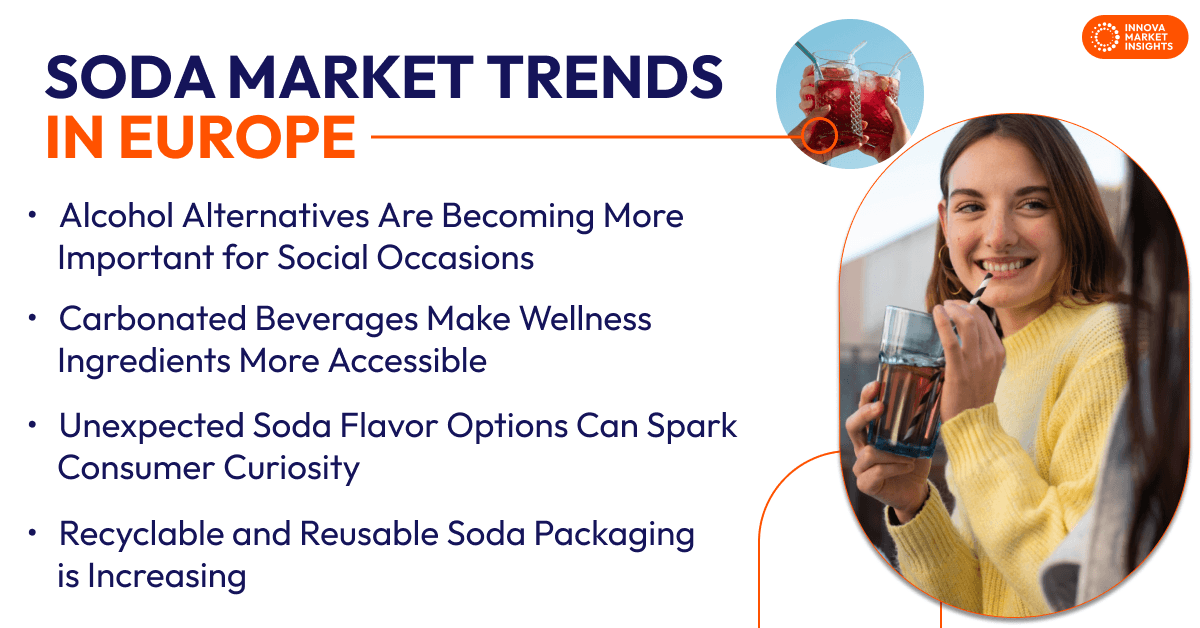
Carbonated beverages can appeal to specific occasions by positioning them around certain needs. With more Europeans drinking less alcohol, or even stopping drinking alcohol, alcohol alternatives are becoming more important for social occasions where alcohol is traditionally drunk. Maison Perrier Chic Daiqui’Red Non-Alcoholic Beverage is an alcohol-free, cocktail-inspired drink launched in the UK that responds to this need. Entertainment and seasonal events are also a way for brands to drive engagement for sodas. This could be sports events like the Olympics or holidays like Halloween.
How Do Carbonated Beverages Fit into European Wellness Trends?
Carbonated beverages make wellness ingredients, like prebiotics, probiotics, and collagen, more accessible. Particularly, hydration is getting a lot of attention from Europeans, with brands incorporating electrolytes, minerals, and coconut water into soft drinks to support this trend. Sugar is an ingredient seen negatively by consumers, and this is challenging brands to cut the sugar content of soda without sacrificing quality. Kolonihagen Sparkling Lemonade, recently launched in Norway, uses agave syrup as a sweetener in the certified organic drink. By increasing low and no sugar options, and adding functional ingredients, soda brands can capitalize on European wellness trends.
Why Do Functionality & Authenticity Matter in the European Soda Market?
Product innovation in the European soda market is moving away from single-benefit formulas. Sodas are now combining indulgence, functionality, and nutritional value. This helps brands stand out from traditional soft drinks while offering greater value. This is demonstrated by Healthy Co Blueberry Soda Pop, launched in Sweden, which contains no added sugar and has prebiotic fibers. The use of traditional brewing, fermentation, and craft production methods is also increasing to make carbonated drinks feel more authentic. By blending heritage-inspired techniques with modern styles and flavors, brands can create beverages that attract Europeans looking for traditional tastes in a new format.
What Are Packaging Trends for Carbonated Beverages in Europe?
To cater to various consumption occasions, soda is offered in various pack sizes in Europe. These occasions include on-the-go consumption and social occasions. A wide range of pack sizes meet various consumer needs and stay relevant across consumption contexts. Smaller packaging options, like the 150ml Coca-Cola Mini Zero Sugar launched in the Netherlands, promote convenience, portion control, and moderation. Larger and multipack formats provide value and sharing opportunities.
Soda packaging can also tell stories, create seasonal promotions, and engage consumers. Limited-edition designs and visual updates generate excitement, reinforce brand relevance, and encourage trial among European consumers.
Recyclable and reusable soda packaging is increasing, with innovation in cartons and bottles helping to reduce the need for new materials while improving resource efficiency. These sustainable packaging solutions improve environmental credibility and respond to rising expectations.
How Are Soda Brands Innovating with Flavor in Europe?
Innovative soda brands in Europe are combining different flavor elements to create richer taste experiences. Combining fruit flavors with ingredients like botanicals, teas, and hops adds depth and complexity to soda. These flavor combinations appeal to Europeans looking for premium taste experiences. For example, Goodrays The Power of Calm is a blood orange and grapefruit flavored CBD drink.
European soda brands can also improve sensory appeal through aroma and visual signals, clearly visualizing the flavor combinations on their packaging. Along with traditional fruit flavors, soda brands are experimenting with indulgent, familiar, and adventurous profiles. Unexpected flavor options can spark curiosity, encourage consumers to try new products, and keep the European soda market aligned with changing consumer preferences.
What’s Next in European Soda Market Trends?
Fruit will continue to be added to sodas in the European market due to their association with refreshment as well as authentic quality. With functionality becoming more important, we can expect more ingredients to be used to support wellness and beauty goals. These functional ingredients include tremella, which helps with skin moisture and hydration, as well as slow-release carbohydrates and plant extracts, which offer focus and productivity benefits in soda without caffeine. Using these ingredients in soda will help meet the growing demand for healthy carbonated beverages. Soda brands in Europe can also improve packaging value through reusable and collectible formats. By responding to wellness and sustainability trends and staying committed to taste and quality, brands can succeed in the European soda market.
This article is based on Innova’s Overview in Carbonates in Europe report. This report is available to purchase or with an Innova Reports subscription. Reach out to learn more.