


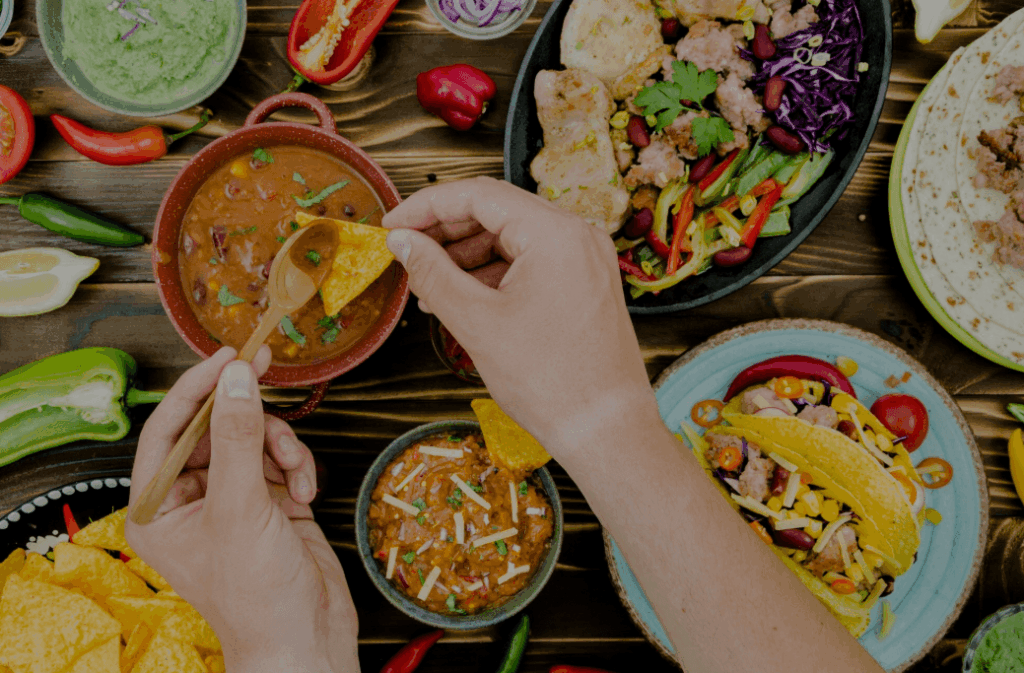
May 26, 2026 – The Latin America snacking market is a complex landscape that balances both traditional preferences and modern demands. Snacks are increasingly being integrated into consumers’ modern routines, going as far as replacing traditional meals. Brands are also faced with the challenge of balancing consumers’ desire for indulgence and health, diverse generational needs, and heritage flavors. Innova’s “Snacking in Latin America” report dives into the consumer insights, market factors, and the emerging trends that are shaping the future of the snack category across the region.
What Are The Most Influential Drivers Of Decision-Making For Latin American Snack Consumers?
Although better-for-you is a main driver of decision-making, flavor is the most influential factor for 78% of consumers. This is even the case within healthier options. Therefore, flavor-led indulgence, supported by functional benefits like energy, nutrition, and satiety, can offer a growth opportunity for Latin American snack brands. In general, healthy snacks are less associated with indulgence, so highlighting sensory appeal and decadent cues can be a key avenue to navigate health and indulgence.
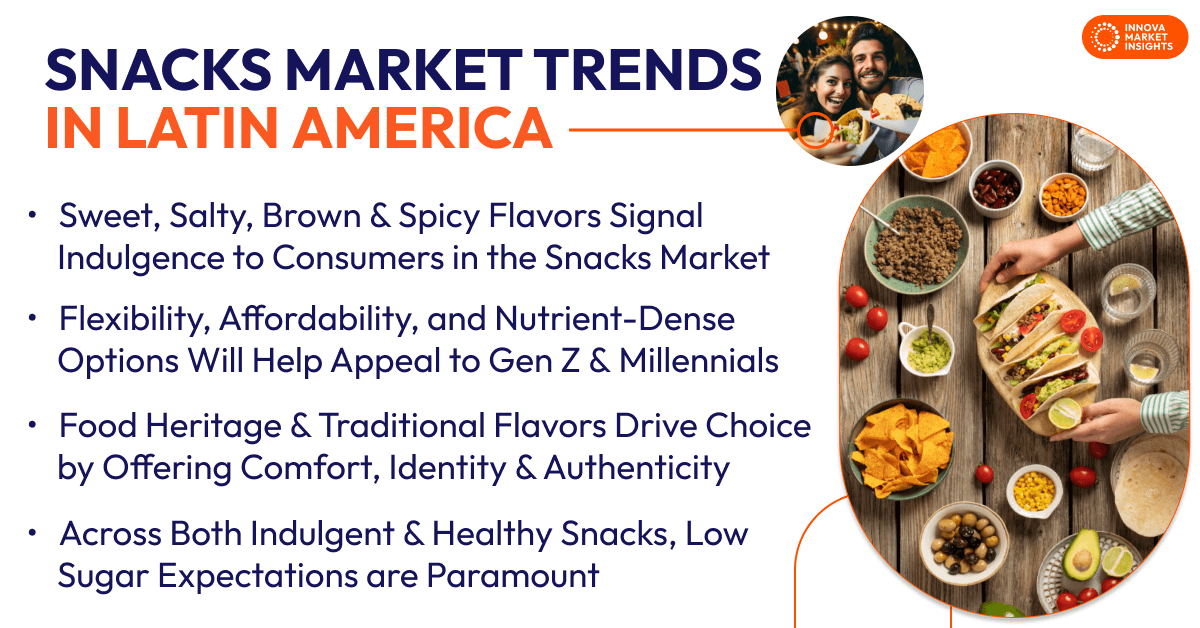
Across both indulgent and healthy snacks, low sugar expectations are paramount, as LATAM consumers are concerned about well-being. Regardless of the type of snack, there is an expectation for offerings to be low in sugar, salt, and fat, reinforced by front-of pack label warnings introduced by government regulations. Healthy snacks are further examined for high protein and fiber content, which are top functional benefits in the snack market.
How Is Snacking Impacted By Consumers’ Routines?
Snacking plays an increasingly large role in Latin American consumers’ daily routines, with Millennials and Gen Z driving the blur between meals and snacks. Flexibility, affordability, and nutrient-dense options will help appeal to this consumer base and will help products, by enabling them to lean into both snack and mealtime occasions. Nevertheless, older Latin American consumers are also more likely to snack than in other regions.
Energy and relaxation are serving as catalysts to increased snack consumption in the Latin American market, necessitating both healthy and indulgent options. In general, snacks are also more integrated into the Latin American culture, such as little bocaditos, that also spur the blurring of boundaries. Thus, new product development and positioning can help brands tap into new occasions. Family-sized portions convenience centered packaging can also help drive on-the-go needs of consumers and fill new spaces in the snack market.
How Are Gen Z And Younger Consumers Defining Snack Innovation?
Gen Z and young consumers will continue to be integral for defining snacks and driving future innovation, as they demonstrate a more flexible approach to meals and nutrition. In fact, snack trends reveal that 68% of young consumers snack in the afternoon, and 45% do so in the evenings. Although new life stages may reframe their daily routines, brands who find the space between meals and snacks will create new opportunities to engage with consumers of all ages. There is also an opportunity for those who can address the demands for products that are substantial and tasty enough to stand in for traditional meals. Gen Z is also interested in trying new snack products and those with multiple components.
What Is The Balance Brands Should Strike Between Familiarity And Novelty?
Latin American consumers are evenly split on comfort and excitement when it comes to flavor. This indicates that snacking serves many moods and occasions. Sensory richness is foundational to the perception of indulgence in LATAM, with flavor and ingredient quality serving as top cues for 53% and 42% of consumers respectively. Texture is also significant, especially for cream and chewy snacks. Sweet, salty, brown, and spicy flavors are also what make snacks indulgent to consumers.
Food heritage and traditional flavors are driving choice by offering comfort, identity, and authenticity to consumers. Specifically, brands in the snack market are innovating around regional flavors through added profiles like spice, while repositioning traditional staples into more premium products.
Which Segment Of The Latin American Snack Market Is Expected To Drive Future Growth?
In Latin America, the cereal and energy bar market is experiencing growth, driven by healthy snacking trends and the demand for meal replacement options. Large food manufacturers are investing in this market to expand the production and marketing around cereal and energy bars. Brands can expect that this category will continue to grow, with positioning claims centered around protein and no sugar.
What’s Next For Snack Trends In Latin America?
When looking to the future of snack trends in Latin America, brands can expect that flavors, occasions, and functionality will remain important factors. For example, brands can expect further expansion of flavor profiles, blending local and global elements for diverse tastes. As snacks are increasingly replacing meals, many categories have more opportunity to innovate into snackable formats. Due to a fast-aging population, expect that the needs of older generations will continue to influence further growth, from gut-friendly to anti-aging. Flavor quality will also be instrumental in reinforcing functional benefits.
This article is based on Innova’s Snacking in Latin America report. This report is available to purchase or with an Innova Reports subscription. Reach out to find out more